

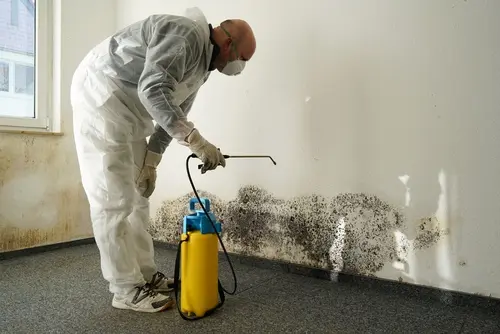

A San Diego landlord can have repair obligations when dampness or mold makes a rental substandard or untenantable. Whether an owner also owes damages in a particular dispute requires an assessment of the condition, notice, cause, response, and evidence. A mold report should prompt investigation and a repair plan, not an automatic denial or a promise about liability.
California Civil Code section 1941.1 connects tenantability to specified housing conditions, including units described in Health and Safety Code section 17920.3. This guide addresses owner response and legal responsibilities for San Diego rentals. It is general information, not legal or medical advice, and is not a do-it-yourself mold-removal guide.
Understand California’s habitability framework
Civil Code section 1941 addresses making housing fit for occupation and repairing subsequent dilapidations that render it untenantable, subject to its terms and exceptions. Section 1941.1 includes effective waterproofing and plumbing maintained in good working order. A leak can therefore matter even before a mold dispute develops.
Health and Safety Code section 17920.3 describes substandard conditions where they endanger occupants or the public. It specifically includes dampness of habitable rooms and visible mold determined by a health or code enforcement officer. Its mold provision excludes minor mold on surfaces that accumulate moisture during their properly functioning, intended use.
That exclusion is not a reason to dismiss every bathroom complaint. Check whether the surface is functioning properly, whether dampness persists, and whether the problem extends beyond a minor area. The California Department of Public Health explains that local inspectors can cite hazardous visible residential mold and require the owner to remediate it.
Notice and cause matter, but investigate before assigning blame
Civil Code section 1941.7 says the specified mold repair obligation under sections 1941 or 1942 does not arise until the lessor has notice, or if the tenant is in violation of section 1941.2. Read that exception with section 1941.2: its conditions concern a substantial tenant violation that substantially contributes to the condition or interferes with necessary repairs.
Do not reduce those requirements to “the tenant should have opened a window.” Investigate roof or plumbing leaks, failed ventilation, exterior intrusion, and resident reports. Preserve the contractor’s findings and explain any disputed cause to counsel. An owner should distinguish a repair obligation from a later disagreement about who bears a particular expense.
Build a documented owner-response file
- Acknowledge the report: record the date, location, photographs supplied, moisture observations, and any urgent concern. Tell the resident who is coordinating the response.
- Arrange lawful inspection: use an appropriate professional and record the scope. Section 1941.7 links mold-repair access to Civil Code section 1954, which controls entry purposes, notice, and timing.
- Find and correct moisture: retain findings about the source and affected materials. The EPA guide emphasizes fixing water problems as well as removing mold.
- Plan safe remediation: obtain the contractor’s work plan and occupant-safety arrangements. EPA recommends experienced help for hidden mold and professional assistance for contaminated-water damage.
- Verify the result: retain invoices, photographs, drying or repair records, and follow-up observations. EPA says moisture problems must be fixed before cleanup can be considered complete.
The EPA recommends drying water-damaged areas and items within 24–48 hours to prevent growth. This is prevention guidance, not a California legal deadline or a reason to wait before addressing an active leak. Do not paint over affected surfaces or direct a resident to disturb concealed mold.
Use the correct San Diego reporting route
For a property within the City of San Diego, Building & Land Use Enforcement provides a Request for Investigation route and explains inspections for code compliance. Its page describes opportunities to correct violations after inspection. Read any issued notice and coordinate the actual required work.
That is a city route, not a countywide service promise. For rentals outside city limits, confirm the appropriate local city or county agency. CDPH says its own mold program does not perform enforcement or inspections. Do not send a resident to a general state contact as though it were the local inspector.
Do not use a test or insurance policy as a liability decision
The EPA says sampling is usually unnecessary when visible mold is present. It also explains that there are no federal mold limits for checking compliance by sampling. A negative sample is not a universal finding that a home is habitable, nor does a positive result automatically decide damages or who pays for testing.
Refer any claim for injury, rent relief, relocation, or property damage to counsel and the insurer with the response file. Do not promise coverage or tell a resident to withhold rent based on this article. The appropriate outcome depends on the actual facts and applicable rules.
Frequently asked questions
Does every patch of mold automatically prove landlord liability?
No. California Health and Safety Code section 17920.3 contains specific substandard-condition criteria and a minor-surface-mold exclusion. Investigate the condition; a damages claim needs case-specific legal review.
Should a landlord wait for air testing before responding?
No. The EPA says visible mold usually does not require sampling and emphasizes prompt mold and moisture correction. Arrange an appropriate investigation rather than making testing a prerequisite to action.
Sources and verification
Checked October 5, 2026. No damages amount or universal repair deadline is asserted.
- Civil Code section 1941 and section 1941.1 — tenantability and building conditions.
- Health and Safety Code section 17920.3 — dampness and visible-mold criteria.
- Civil Code section 1941.7 and section 1941.2 — notice and tenant-contribution qualifications.
- Civil Code section 1954 — repair access.
- CDPH: mold and dampness — California enforcement explanation and state program scope.
- City of San Diego: Building & Land Use Enforcement — investigation and inspection route.
- EPA: mold and moisture guide — response, prevention, professional assistance, and testing limitations; updated February 18, 2026.


